
There’s nothing quite like stumbling upon a quiet waterfall, ancient ruin, or mystical canyon tucked away in one of the United States’ national parks. While the big spots like Yosemite Valley or Old Faithful definitely get their fair share of attention, some of the most memorable experiences happen when you track down the trails and corners that hide just out of plain sight. These spots might not make the front page of a travel brochure, but they’re absolutely worth seeking out. I’ve gathered together some favorite hidden gems across US national parks so you don’t miss out on the surprises these parks keep so well hidden.
Why Hidden Gems Matter in National Parks
The US National Park system is massive, with more than 400 sites spread across every region of the country. Many of these places have signature hikes and viewpoints that get most of the visitors. But what I’ve figured out over the years is that it’s often the lesserknown spots that leave the biggest impression. These places aren’t usually packed with crowds, which makes for a quieter, more personal experience.
When you start searching for these hidden gems, you get a chance to connect with a park on your own terms. The peace and space make it easier to spot wildlife, soak in the scenery, or just enjoy a kind of quiet you won’t find on the main trail. Plus, there’s a special kind of joy in finding a spot that most folks miss. It feels like your own private discovery.
Parks like Yellowstone, Grand Canyon, and Acadia are packed most days with people heading to headline attractions. But tucked around the next bend, or down that sidetrail, are spots where you can find unique scenery, fascinating geology, and sometimes even a bit of history. These places prove time and again that there’s always more to explore, and that the essence of a park often lives in its quieter corners.
Hidden Gems Worth Checking Out
Every park has its secrets, but these are some of my favorite offthegrid finds:
- Hickman Bridge Trail, Capitol Reef National Park (Utah): Most folks drive straight through Capitol Reef or head to the bigger parks nearby, but this spot offers an easy hike to a stunning natural arch, way less crowded than Utah’s other betterknown arches. The views are big, but the vibe is chill.
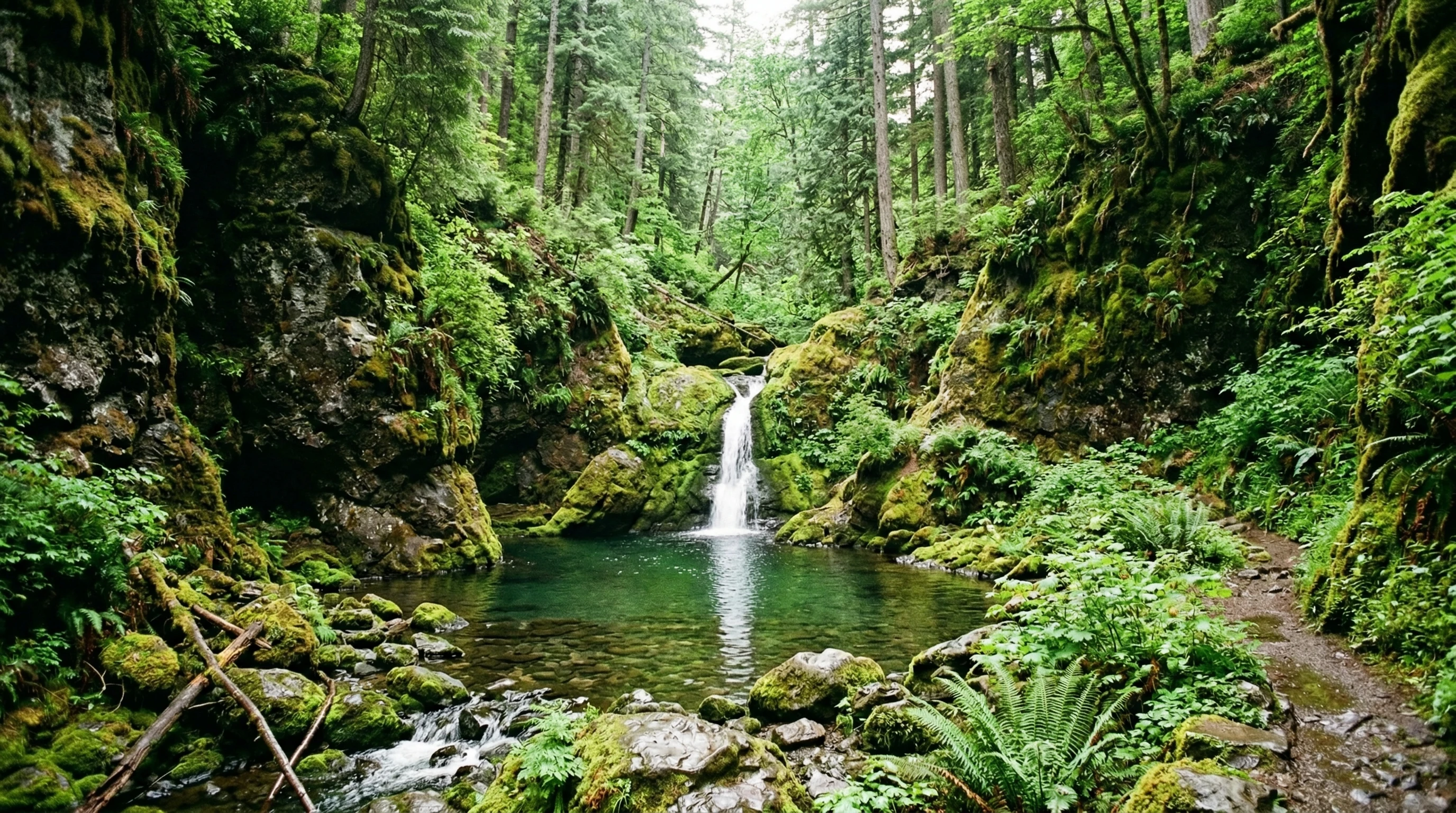
- Spruce Flats Falls, Great Smoky Mountains National Park (Tennessee): This park gets more visitors than any other in the US, yet Spruce Flats Falls is often empty. It’s a gentle hike through lush forest to a layered waterfall, and it’s a great place for a quiet picnic.
- Lava Tubes, Lassen Volcanic National Park (California): Instead of fighting crowds in more famous California parks, check out Lassen’s network of lava tubes just below the surface. It’s cool (literally and figuratively), with eye-catching geology, and gives a whole different perspective on the park’s volcanic history. Be sure to bring a flashlight and wear sturdy shoes for exploring underground passages, where you’ll feel like you’ve stepped into another world.
- Cape Final Trail, Grand Canyon National Park (Arizona): Skip the touristpacked overlooks and try this North Rim trail. It’s not too tough, and the end of the trail delivers sweeping views with almost nobody around. Sunset here is a winner, and you’ll often have the spectacular vistas all to yourself.
- Cascade Pass, North Cascades National Park (Washington): This hike is a wildflower lover’s dream and gives up jawdropping mountain scenery. It’s a bit of a climb, but way fewer people try it compared to trails in Rainier or Olympic nearby. You can catch a glimpse of glaciers, spot mountain goats, and bask in the fresh alpine air. In July and August, the slopes come alive with blooms, making every step feel nextlevel cool.
How to Track Down Hidden Gems in Any National Park
Finding these quieter places isn’t about luck. It usually just takes a little research and a willingness to wander off the beaten path (safely and responsibly, of course). Here are a few things I do whenever I want to check out a park’s hidden side:
- Chat With Rangers: The folks working at park visitor centers have all the best tips. Ask them what shorter hikes or overlooks are lessvisited, or if they know about any unique natural features just off the main routes. Many rangers keep a mental list of their favorite chill spots, and they’re happy to recommend hidden meadows, unsung trails, or undertheradar viewpoints.
- Dig Into Maps: Park maps often point out historic cabins, old mines, backcountry lakes, or scenic overlooks that don’t get frontpage attention. The backside of a map can be packed with ideas others skip over. Don’t be afraid to ask for any recent updates or hidden landmarks when you pick up a map.
- Look for Lesserknown Entrances: Some parks, like Zion and Smokies, have several entrances. Picking a less popular access point can mean fewer people and access to quieter areas. You’ll also stumble upon different landscapes, trailheads, and sometimes even less crowded picnic spots.
- Go Early or Late: A lot of crowding can be avoided just by switching the timing of your visit. Early mornings and evenings are usually quieter and come with better wildlife viewing and great light for photos. As a bonus, sunrises and sunsets often paint these secret spots in the best possible glow.
- Follow Park Blogs and Social Media: Many parks post about events, temporary trail openings, or staff favorites that don’t always make it to printed guides. These platforms are also helpful for learning about recent conditions, special sightings, and new finds.
Things to Keep in Mind When Checking Out OutOfTheWay Spots
Hunting for hidden gems is super rewarding, but it does come with a little extra responsibility. Here are some points to consider:
- Stay Safe: Quieter trails mean fewer people around if you run into trouble. Always tell someone your plans, carry enough water, and bring a basic first aid kit. A downloaded offline map on your phone can be pretty handy, too. Bring snacks and doublecheck the weather before heading out, so you don’t get caught offguard.
- Leave No Trace: These spots stay special because they’re clean and undisturbed. Stick to trails, pack out trash, and skip picking those wildflowers, even if they look like they’d make a perfect Instagram post. The goal is to keep these places as unspoiled as you found them, for the next person to enjoy.
- Respect Closures: Sometimes lesserknown spots are closed due to wildlife nesting, trail repair, or fire risk. Doublecheck with the park before you go. Pay attention to posted signs and don’t ignore barricades—they’re there for good reason.
- Don’t Disturb Wildlife: Quieter areas can mean more animals. Keep a safe distance, don’t feed anything, and use your zoom lens instead of getting closer. Respect their space to help protect both animals and yourself.
Staying Safe Off the Beaten Path
One of my best tips is to go prepared, especially when heading somewhere remote. Cell service can be spotty, weather can change fast, and trails may not be as well marked as main routes. I always bring water, snacks, and a lightweight rain jacket just in case. Telling a friend or leaving your plan with the ranger station really goes a long way if you’re heading out solo. Consider carrying a whistle or a small flashlight, particularly if you plan to stay out late or venture into caves or forests.
Why Hidden Gems Are Worth Your Time
Taking time to find the quieter parts of a park isn’t just about avoiding crowds. Sometimes it’s these hidden places where you get the truest sense of what makes a park special. They can offer a closer look at local history, a chance to see wildlife, or just a quiet moment to enjoy an incredible view all to yourself. With less distraction, you can get a feel for the natural rhythms of the park in a way you just can’t anywhere else. If you keep your eyes and mind open, you’ll probably stumble upon a few favorite spots of your own.
RealWorld Examples: Hidden Gems From Different Parks
- Devil’s Garden, Arches National Park (Utah): Most people walk out to Landscape Arch and turn around, but if you keep going, you’ll hit a maze of fins, hidden arches, and quiet corners. The Primitive Loop is a favorite for folks who want a little more solitude and a fun challenge. Don’t forget plenty of water—the desert conditions can sneak up on you.
- Rialto Beach HoleintheWall, Olympic National Park (Washington): Sure, the main stretch of beach is great, but at low tide you can walk up the sand and slip through a natural rock arch, where tide pools and quiet sand await. You might spot starfish, crabs, or even anemones in the pools.
- Alum Cave Bluffs, Great Smoky Mountains: Instead of another summit hike, try this short route to giant overhanging cliffs. The geology is wild, and early mornings here are especially peaceful. The bluffs create a cool microclimate, perfect for a rest before heading deeper into the mountains.
- Tule Elk Reserve, Point Reyes National Seashore (California): A pocket of wild grassland where you can sometimes spot entire herds with nobody else around. Bring binoculars if you want to make out details of the elk or scan the horizon for coyotes and hawks.
Frequently Asked Questions
Exploring hidden gems can bring up a bunch of questions, especially if you haven’t gone offtrail before. Here are some popular queries I get:
Question: How do I make sure I’m not trespassing or breaking any park rules?
Answer: Ask a ranger or pick up a current map before setting out. Most hidden gems listed in park literature or those discussed at visitor centers are open to the public, but park conditions can change fast, so it’s always worth doublechecking. Stay within marked boundaries to avoid wandering onto private land.
Question: Are these hidden spots good for families with kids or firsttime visitors?
Answer: Many of these gems are perfect for families if you check trail lengths and conditions first. Rangers and visitor center staff can help match you up to something that fits everyone’s comfort and energy level. Some hidden gems are longer hikes, but plenty are short strolls or easytoreach viewpoints. Just remember to assess your group’s abilities before heading out.
Question: Will I need special gear or hiking experience?
Answer: Not usually, especially for the easily accessible hidden gems. For less developed trails or backcountry excursions, sturdy shoes, water, a hat, and a phone with offline maps can make things easier and safer. More technical routes will usually be clearly labeled and can be avoided unless you’re looking for a challenge. Always check in advance if the trail requires any extra preparation.
Adding More Park Adventures to Your List
Part of the fun of the US National Parks is just how much variety they offer. Every trip can be a new adventure and a chance to see something different. I like to jot down places I missed for next time—hidden lakes, lesserknown overlooks, or historic sites that fly under the radar. If you do some research or ask the right questions, these hidden gems are everywhere. With each visit, your own list of secret favorites will only grow.
If you have any questions or need help planning your trip, feel free to leave a comment below. I’d be happy to help you make the most of your adventure.