
Backpacking Southeast Asia is a favorite move for travelers who want a laidback, budgetfriendly adventure packed with food, culture, and epic scenery. Preparing for this adventure can feel overwhelming at first, so I’ve broken down what you really need to know to make sure your trip goes smoothly. From packing tips to visas and cultural stuff you might not know about, I’m sharing everything I’ve learned from my own trips and the stories that got shared around hostel tables.
What to Know Before You Go: Why Backpack Southeast Asia?
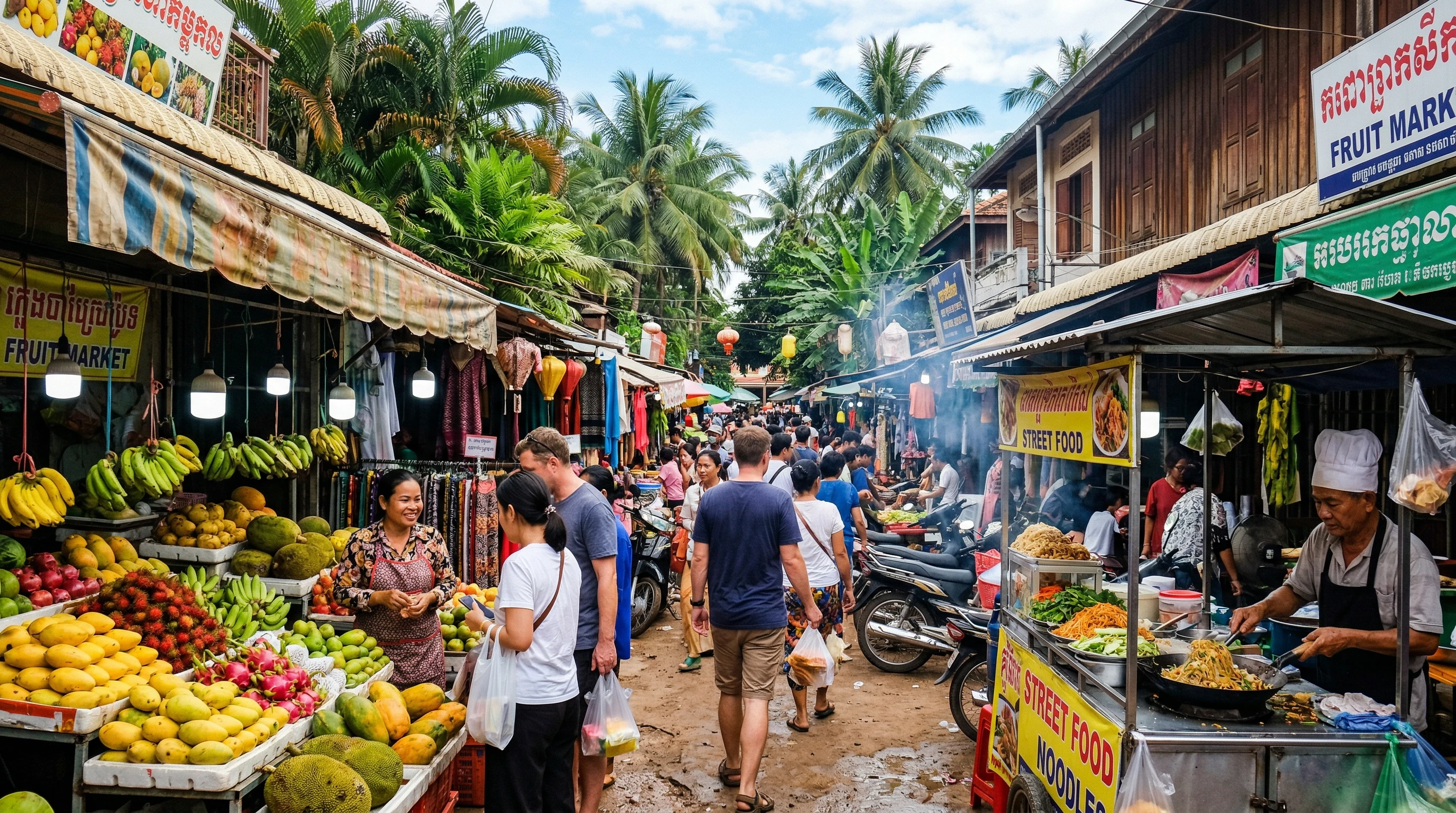
Southeast Asia pulls in backpackers for a bunch of reasons. The area’s famous for bustling cities, tropical beaches, ancient temples, and a super friendly atmosphere. Countries like Thailand, Vietnam, Laos, Cambodia, Indonesia, and Malaysia have become hotspots for solo adventurers as well as groups looking for something a little different. What surprised me most when I first visited was just how easy it is to get around, and how affordable things like food and transport are. Backpacking here isn’t just about seeing the sights. It’s about getting right into the local life and rhythm.
The cost of living is notably lower than in many Western countries, which means you can go further with your budget. You’ll find everything from $2 street food meals to $10 hostel dorm beds, but splurging now and then is very doable, too. By spending time in local markets, talking with locals, and joining walking tours or festivals, you’ll build up memories you can’t get from guidebooks or travel shows. The sense of community and spontaneous adventure make Southeast Asia truly stand out among budget travel destinations.
Building Your Itinerary: How to Choose Where to Go
Deciding on your route can be both exciting and a little tricky with so many options. Some travelers pick one country and explore it fully, while others cover three or four countries in one go. I’ve found it’s better to keep things flexible. Buses and trains are pretty reliable, but sometimes you’ll want to stick around somewhere longer, or maybe a sudden festival or island recommendation changes your plans. Don’t overpack your itinerary; let things flow so you can jump on spontaneous opportunities.
- Thailand: Known for cities like Bangkok and Chiang Mai, plus islands like Koh Tao.
- Vietnam: Hanoi, Hoi An, and Ho Chi Minh City are backpacker favorites.
- Cambodia: Siem Reap for Angkor Wat, and Phnom Penh for history.
- Laos: A go-to for river adventures, like tubing in Vang Vieng.
- Indonesia: Bali, Lombok, and the Gili Islands bring tropical vibes.
Make sure you research visa rules; most countries offer easy options for travelers, but double check requirements for your nationality to avoid surprises at the border. Border crossings are usually pretty relaxed, but some can get crowded and require patience. Keep digital and paper copies of your visa and travel insurance just in case anything comes up at checkpoints, and stay flexible with your plans—it often leads to some of the best experiences.
Packing for Southeast Asia: What’s Actually Useful?
Packing light is the way to go. You’ll probably regret lugging a massive suitcase down a dirt road to your beach bungalow. I always stick with a 40-50 liter backpack and pack outfits that can handle heat, rain, and temple visits (modest clothing is super important in some places).
- Lightweight, breathable clothing: It’s hot and humid nearly all year. Think quickdrying shirts, shorts, and loose pants.
- Rain jacket or poncho: Sudden downpours are common, especially in monsoon season.
- Good sandals and comfortable sneakers: You’ll be walking a lot, and shoes come off often indoors.
- Small first aid kit: Include things like plasters, rehydration salts, and any prescription meds.
- Travel size toiletries: You can buy most basics there, but sunscreen and mosquito repellent tend to cost more and will come in handy.
- Padlock: Useful for lockers at hostels and overnight buses.
One big tip: pack a sarong or scarf. It doubles as a temple coverup, beach towel, bus blanket, or even a basic picnic sheet. Many backpackers also bring a reusable water bottle with a filter. Not only does this save money and reduce plastic waste, but it also helps you stay hydrated on those extra warm days.
Budget Tips: Getting the Most From Your Money
Southeast Asia is budget backpacking heaven, but costs can sneak up if you’re not careful. Cash is king, especially in small towns or markets, though ATMs are usually easy to find in cities.
- Eat local food: Street food is often tastier and cheaper than restaurant options.
- Use overnight buses and trains: You’ll save big on accommodation and cover more ground.
- Bargain in markets: Haggling is normal, so don’t be shy about it, but always keep it friendly.
- Book in person for tours: You’ll often find better deals than what’s listed online.
I recommend carrying a backup bank card and a few US dollars for emergencies. Sometimes machines run out of cash, and dollars are easily changed or even accepted at some borders. If you stick to local guesthouses and openair markets, your money will last longer. Look out for apps that compare transport options and prices to ensure you get the best deals.
Staying Safe and Healthy on the Road
Most trips through Southeast Asia are relaxed and safe, but there are always things to keep in mind. Petty crime like pickpocketing can sometimes happen in touristy areas, so keep your wallet and valuables close. I always use a money belt or neck pouch under my shirt in busy places or when traveling long distances.
Food poisoning catches nearly everyone at least once. I suggest sticking to busy food stalls (locals know where the good stuff is), using bottled water for drinking and brushing your teeth, and bringing medications like Imodium just in case.
- Travel insurance: Make sure your plan covers medical treatment and activities like motorbike riding; these are common ways backpackers end up needing care.
- Vaccinations: Check what’s recommended for each country, including hepatitis A, typhoid, and maybe Japanese encephalitis. Ask a travel clinic before you go.
- Watch out for scams: They’re usually harmless but can be annoying. If a deal sounds too good to be true, trust your gut.
Another tip: connect with fellow travelers or hostel staff about current safety news, like areas to avoid or recent scams to watch for—word-of-mouth tips can keep you out of trouble. Always keep digital backups of your passport and important documents, and let family or friends know your travel route in case of emergencies.
Hostel Life and Meeting Other Travelers: The Social Side
One of the best things about backpacking Southeast Asia is how easy it is to make friends. Hostels are everywhere and usually include chill common spaces or organized events to get people talking. If you’re shy or traveling alone, just hanging out in a hostel lounge or joining a group tour can open up plenty of new friendships.
Apps like Hostelworld and Booking.com will help you track down places that fit your budget and vibe. Some hostels even offer free breakfast or airport transfers, which is pretty handy if you’re arriving late or need a soft landing. It’s helpful to read recent reviews to make out which hostels are known for quiet nights versus sociable atmospheres, so you can pick the right one for your style.
Backpacker routes like the Banana Pancake Trail (major stops from Thailand through Laos, Cambodia, and Vietnam) are full of folks on similar adventures. You’ll stumble upon group hikes, day trips, and cooking classes where swapping stories is half the fun. Even in big cities, hostel bar nights and free walking tours bring people together in laidback ways.
Culture, Etiquette, and Respectful Travel
The cultures in Southeast Asia are really diverse and there are a few things I’ve learned the hard way to always keep in mind:
- Dress modestly at temples; shoulders and knees covered (hence, the super useful sarong).
- Take off your shoes before entering homes and many shops. If you see shoes outside the door, follow suit.
- Avoid touching people on the head or pointing your feet at someone, as both are considered rude in many places.
- Smile and be patient. Things run on a more relaxed “island time” in some areas, and raising your voice never helps speed things up.
Learning a few words in the local language is appreciated, even if it’s just “hello” and “thank you.” It goes a long way and often leads to better prices and friendlier vibes. A small gesture like picking up basic greetings or bowing your head slightly can show a lot of respect and get great reactions from locals. People everywhere appreciate when visitors show genuine interest in their customs, whether that means following temple etiquette, asking questions kindly, or understanding daily routines.
Transport: Getting Around Like a Pro
Getting from city to city or even village to jungle is simple once you know a few basics. Longdistance buses and trains are cheap and pretty comfortable, though don’t expect luxury. Domestic flights save time between faraway destinations and can be surprisingly affordable if you book early.
- Local buses and tuktuks: Super cheap and the best way to get a feel for the area.
- Scooter rentals: Popular for daytrips, especially on islands or in northern Thailand. Always wear a helmet and make sure your travel insurance covers driving.
- Rideshare apps: Grab (the regional version of Uber) works well in big cities and is usually cheaper than taxis.
It’s also common to hop aboard shared minivans, especially between tourist hot spots. For night travel, bring an eye mask and earplugs for a better rest. If you can, snag a window seat on scenic routes, like Vietnam’s train ride from Da Nang to Hue. Always doublecheck the pick-up location and read up on recent traveler reviews to avoid unreliable transport companies or scams. If you’re planning a longer stay, renting a bicycle or even buying a secondhand scooter can give a new sense of freedom and flexibility to your days.
Frequently Asked Questions
There’s a lot to prep before heading out. These are questions I hear often or remember having myself:
Question: Can I use my phone easily in Southeast Asia?
Answer: Getting a local SIM card in each country is simple and cheap. Your phone needs to be unlocked, but after that you’ll get steady data (handy for maps and ride apps). WiFi is common in most cities, hostels, and cafes.
Question: Is it easy to get vegetarian or vegan food?
Answer: Yes! Countries like Thailand and Vietnam have loads of vegfriendly options. It helps to learn the local words and be clear when ordering. Some street food desserts are naturally vegan too.
Question: What’s the best time of year to backpack Southeast Asia?
Answer: The dry season (November to April) is most popular since rain is minimal, but travel is possible all year round, just prepare for some wet days and pack accordingly. Offseason months can mean quieter sights and lower prices, but bring a light rain jacket for the occasional downpour. Different countries have different peak times, so it’s good to map out your ideal route alongside seasonal patterns.
Final Tips for a Smooth Backpacking Adventure
Planning ahead will make your Southeast Asia trip way more relaxed and fun. Remember to pack for comfort and weather, stay open to changes, and talk to locals and fellow travelers for the best advice.
If you have any questions or need help mapping out your trip, feel free to leave a comment below, I’d be happy to help. Enjoy every moment of your adventure!