
If you’re craving a quick escape filled with history, culture, and flavorful cuisine, a Middle Eastern city break might be just what you need. These destinations pack a huge punch when it comes to impressive landmarks, buzzing markets, and opportunities to unwind. In this guide, I’m laying out a solid Middle Eastern city break itinerary that hits all the right notes, so you can make the most of a long weekend or a few busy days without feeling burnt out.
Why Take a City Break in the Middle East?
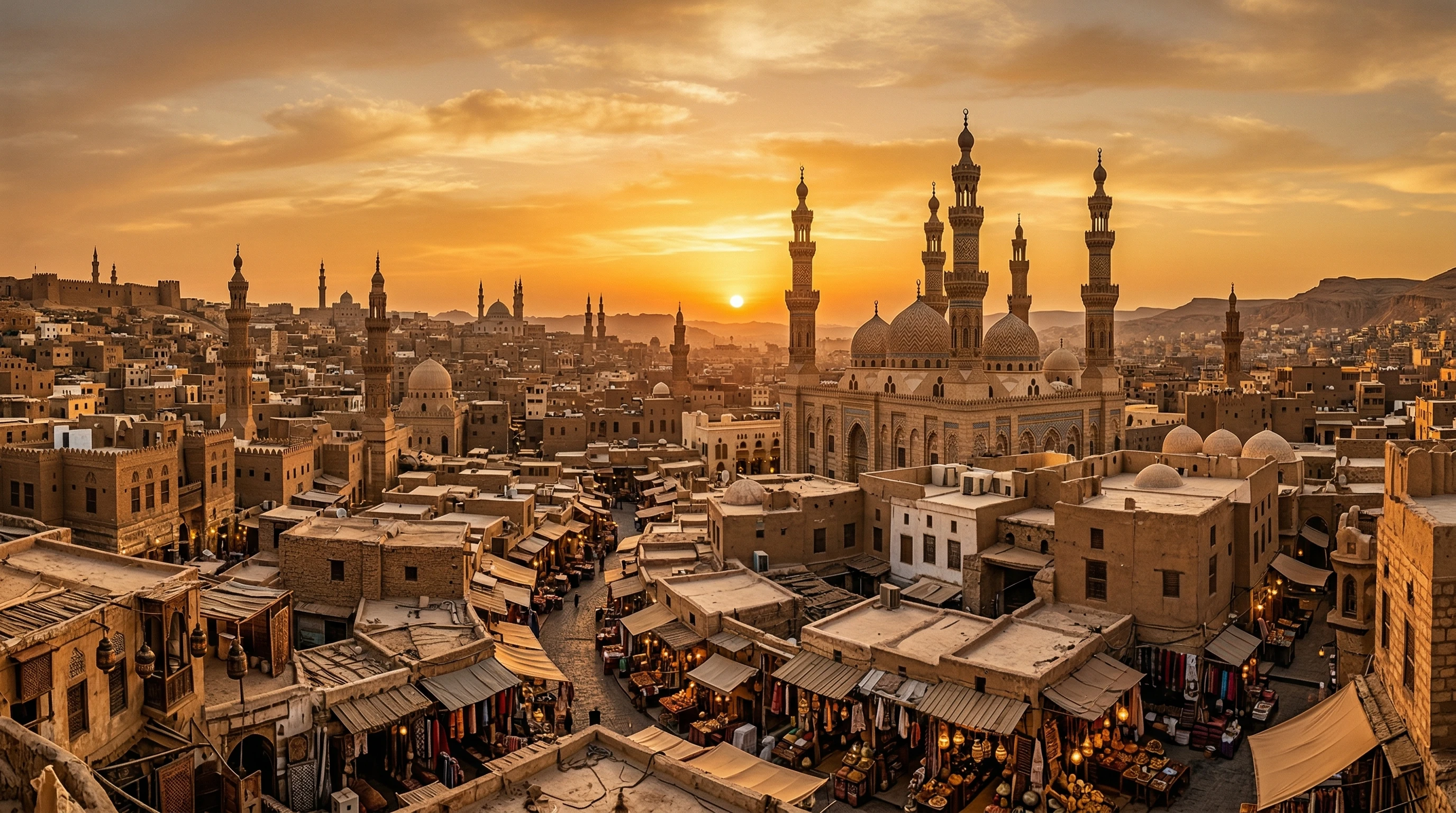
The Middle East is packed with cities that blend ancient tradition with modern flair. Whether you’re walking among centuries old ruins, sipping strong coffee in a local café, or wandering through markets filled with spices and textiles, there’s always something new around the corner. Cities like Istanbul, Dubai, Amman, and Cairo buzz with energy but also offer plenty of spots to slow down and soak up the moment.
Direct flights from Europe, Africa, and Asia make these cities pretty easy to reach for a short trip. The weather stays warm year round, which is nice if you want to escape colder climates. Each city has its own flavor, so you’ll find everything from old souks to glittering skyscrapers. A few days is enough to get a taste, but fair warning, you’ll probably want to come back for more.
The food scene across these cities is incredibly rich. You can expect a spread of savory meats, vibrant salads, aromatic breads, and sweet treats at every turn. Eating at local restaurants, sampling street snacks, and relaxing in tea gardens adds a lot to the city break vibe, making the experience way more than just sightseeing.
Planning Your Itinerary: How Many Days Do You Need?
Three to five days works well for a city break in the Middle East. This gives you enough time to hit the highlights, wander through different neighborhoods, and try some local dishes, without racing from one activity to the next. If you’re keen to explore ancient sites or add a day trip, I find four days is the sweet spot.
Here’s a quick breakdown of how you can structure your time:
- Day 1: Arrival, orientation walk, welcome meal
- Day 2: Iconic highlights (mosques, palaces, or museums), market visits
- Day 3: Day trip, old city exploration, or cultural experiences
- Day 4: Leisurely breakfast, last strolls, final shopping, departure
For those aiming to see as much as possible, getting up early lets you pack in more sights while avoiding big crowds. Consider planning your city break to include one relaxed afternoon, which gives you time to savor a local meal or catch a sunset from a rooftop.
Choosing Your City: Crowd Favorites and Underrated Gems
The right city totally depends on your vibe. If you’re going for classic grandeur, Istanbul or Cairo will blow you away with their rich history and iconic sights. Dubai and Abu Dhabi lean modern, with incredible architecture and top notch shopping. For something both ancient and laidback, I’ve enjoyed Amman (Jordan) and Muscat (Oman) for relaxed days and easy access to scenic day trips.
Some crowd favorites include:
- Istanbul (Turkey): Straddling Europe and Asia, packed with mosques, churches, and the Grand Bazaar.
- Dubai (UAE): Known for the Burj Khalifa, massive malls, and a buzzing food scene.
- Cairo (Egypt): Home to the Pyramids of Giza, bustling markets, and the Nile River.
- Amman (Jordan): A mix of Roman ruins, hilltop views, and easy trips to Petra or the Dead Sea.
- Muscat (Oman): Whitewashed mosques, calm beaches, and mountain backdrops.
If you’re up for tracking down something new, cities like Beirut (Lebanon) and Doha (Qatar) are also worth checking out for their food, nightlife, and blend of oldmeetsnew.
Sample Itinerary: Four Perfect Days in Istanbul
To give you a real taste, here’s how I’d plan a fourday city break in Istanbul, a city I think works for firsttimers and seasoned travelers alike. You can swap in similar ideas for other cities too.
Day 1: Arrival and Evening Wander
After checking in, hit the streets for a gentle wander. The Sultanahmet district is a good place to start; you’ll spot the Blue Mosque and Hagia Sophia even if you’re just stretching your legs. For dinner, tuck into a meze platter and grilled kebabs at a local eatery. There’s always a spot with a view or some live Turkish music.
Day 2: Must See Sights and the Grand Bazaar
- Head straight to the Blue Mosque. Go early if you want to beat the crowds and catch the morning light.
- Nip across to Hagia Sophia to see its impressive mosaics and domes.
- Walk to Topkapi Palace for a mini crash course in Ottoman history (don’t skip the Harem).
- Lunch in the old city, and then take your time exploring the Grand Bazaar, a sprawling market with everything from carpets to sweets.
Wrap up your day at a rooftop café sipping Turkish tea, gazing at the city’s skyline as the call to prayer echoes. It’s an experience that sticks with you.
Day 3: Local Life and Bosphorus Views
- Start with a Turkish breakfast (menemen and fresh bread hit the spot).
- Hop on a ferry across the Bosphorus to see the city from the water and explore the Asian side. Kadıköy is a chill neighborhood for coffee and street art.
- Visit a traditional hammam for a steam and scrub; it’s both relaxing and uniquely local.
- If you want to shop for something special, try the Egyptian Bazaar for spices or handmade soaps.
Day 4: Slow Mornings and Departure
Savor a leisurely breakfast and have a final stroll through Gülhane Park or along the Galata Bridge. Pick up last minute snacks like baklava, and enjoy those final city moments before heading back home.
Things to Consider Before Your Trip
Traveling in the Middle East is super rewarding, but there are a few things that can help your trip go more smoothly.
- Dress Code: Local norms can be conservative, so I usually pack lightweight long sleeves and scarves. It’s respectful, plus it keeps the sun off.
- Language: English is widely spoken in tourist areas, but picking up a few local phrases (like “shukran” for thank you) gets big smiles.
- Weather: Summers can be scorching; spring and fall are pretty comfortable for walking and sightseeing.
- Culture Shock: Bustling markets, five calls to prayer a day, and different attitudes towards time—go with the flow and enjoy the new pace of life.
- Safety: Most cities are generally safe, especially in the main neighborhoods. Keep an eye on travel advisories and trust your instincts.
It’s also smart to doublecheck entrance rules at religious sites and museums, as opening hours may change during prayer times or holidays. Be aware that Fridays can be busier (or quieter) depending on the city, so plan accordingly. Getting a local SIM card or travel WiFi makes it much easier to use maps and translation tools on the go.
Tips for Making the Most of Your City Break
- Plan, But Be Flexible: Sketch your mustsees but leave a little room for wandering or spontaneous tea breaks. You’ll stumble on cool surprises this way.
- Stay Central: Book your hotel or rental close to the sights. Walking is one of the best ways to explore.
- Try the Street Food: From falafel wraps in Amman to fresh pomegranate juice in Istanbul, street snacks are delicious and cheap.
- Use Local Transport: Ferries, lightrail, and even shared taxis make it easy to hop around the city and see different neighborhoods.
- Pack Light: Luggage with wheels is handy, but cobblestones and market crowds make backpacks a solid choice.
Talk to locals whenever you can; most are proud of their city and happy to point you toward hidden gems or musttry dishes. Free walking tours are another great way to learn the lay of the land and meet other travelers if you’re flying solo.
FAQ: Middle Eastern City Breaks
What is the best time of year for a Middle Eastern city break?
Spring (March to May) and autumn (September to November) are great for comfortable weather and lively events. Winters are mild in most big cities, while summers can be pretty hot.
Is it easy to get around as an English speaker?
In most tourist areas, yes; it’s easy to find signs and menus in English. A translation app is handy for taxis or smaller shops.
What’s the best way to handle money?
Bring a bit of local currency for markets and small shops, but most hotels and restaurants accept cards. ATMs are widely available in city centers.
Are Middle Eastern cities safe for solo travelers?
I’ve found big cities like Istanbul, Amman, and Dubai to be very welcoming. As always, stick to welllit areas after dark and keep valuables tucked away.
Food Experiences Not to Miss
- Street Vendors: Try shawarma, falafel, freshly squeezed juices, and local sweets like baklava or kunafa.
- Coffee & Tea: Traditional Arabic coffee is strong and aromatic, often served with something sweet. Chai (tea) is a social staple, so don’t be surprised if locals invite you for a cup.
- Market Eats: Local markets are packed with snacks, dried fruits, and fresh bread. Sampling a few bites as you wander keeps energy up between big meals.
Don’t Forget These Quick Tips
- Always check local holidays—they can affect opening hours and crowds.
- If you plan to visit mosques or religious sites, modest dress is really important. Carrying a scarf or shawl is useful for both men and women.
- City walking tours or food tours are a fun crash course in culture and help you get your bearings fast.
If you have any questions or need help planning your trip, feel free to leave a comment below. I’d be happy to help.