
Traveling solo opens up a world of independence and adventure. It also means paying close attention to your personal safety, especially when it comes to packing. Over the years, I’ve noticed that even experienced solo travelers can overlook smart packing strategies that make the ride a lot safer and more comfortable. So, if you’re planning your next solo trip, some practical packing tips will go a long way in protecting yourself and giving you more peace of mind.
Why Smart Packing Matters for Solo Travelers
When you travel alone, you don’t have someone else to keep an eye on your bags while you dash to the restroom or help out if something important goes missing. Being strategic about what you pack and how you organize it makes keeping an eye on your things much easier and helps you bounce back quickly from surprises. Nobody wants to lug around a suitcase packed with things you never use—not only is it more stressful, but it also limits your flexibility and speed.
Safety isn’t just about dodging theft; it’s also about staying healthy and comfortable throughout your adventure. The right gear means you’re ready for minor emergencies, unpredictable weather, or situations where blending in with the locals really matters. That’s why I always urge travelers to review their packing list for security, health, and comfort before hitting the road.
Solo Traveler Safety Essentials to Pack
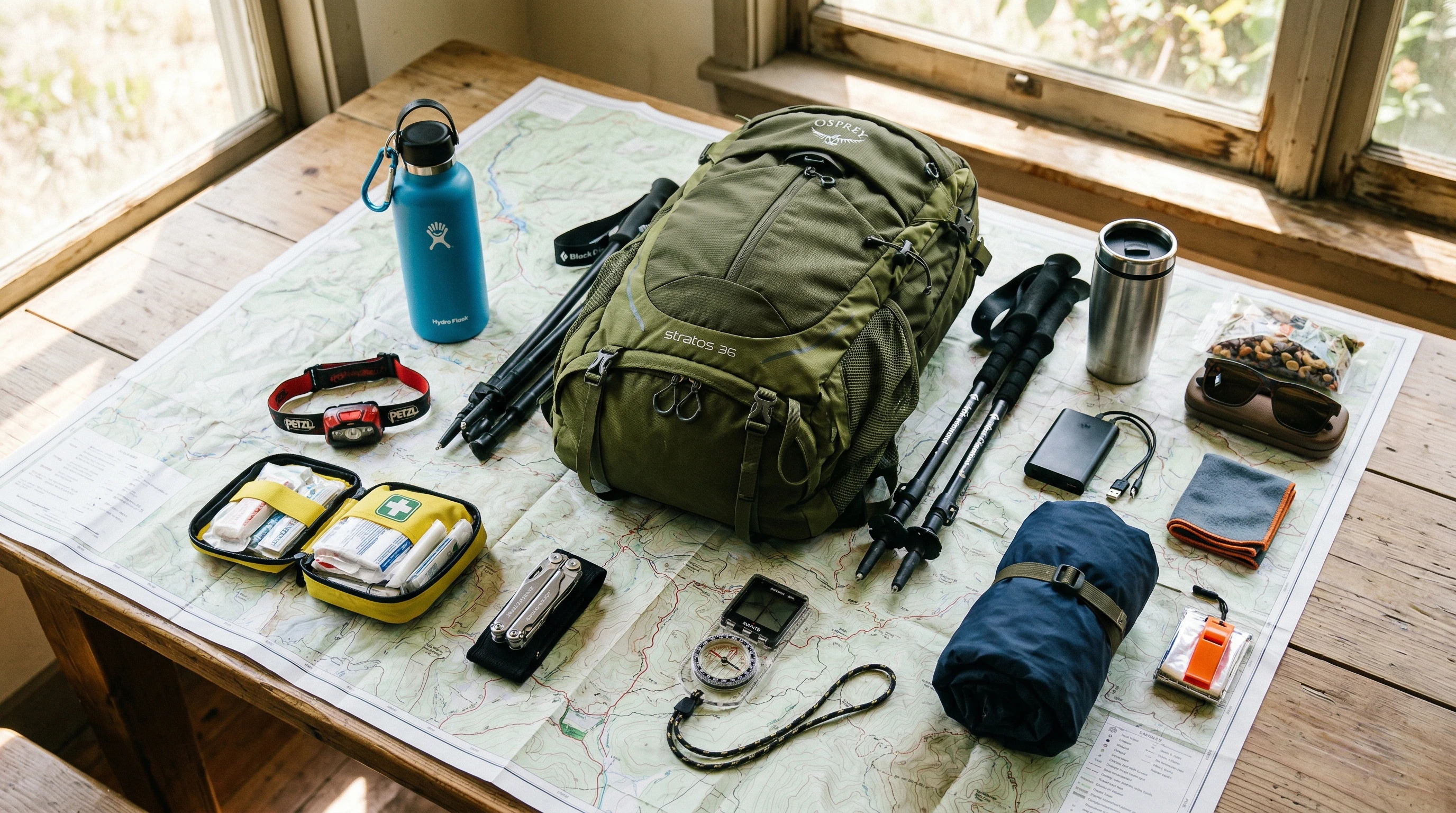
Your packing game definitely changes when you travel solo. These items set a solid base for any solo adventurer determined to be prepared and keep risks low:
- Antitheft Backpack or Crossbody Bag: Choose features like lockable zippers, cutresistant straps, and hidden pockets. These make pickpocketing a lot more difficult, especially in busy areas.
- Portable Door Lock: This tiny travel gadget fits into most hotel or hostel doorframes. It adds muchneeded security and lets you sleep easier at night.
- Personal Safety Alarm or Whistle: These can dangle on your keychain. They’re crucial for grabbing attention quickly if something goes wrong.
- Copies of Important Documents: Never underestimate backup—keep printouts and digital versions of your passport, visas, reservation details, and emergency contacts somewhere separate from the originals.
- Basic First Aid Kit: It should include bandages, antiseptic wipes, a few painkillers, and any needed prescription meds.
- Reusable Water Bottle: Staying hydrated is key, and a tough water bottle means you won’t need to buy singleuse plastics on long transits.
- Universal Power Adapter: The ability to charge your devices worldwide avoids lastminute hassles and keeps you connected.
Quick Tips for Packing Practically and Safely
The best solo packing routines tend to follow a few triedandtrue principles. Here’s what makes a big difference in staying organized and keeping your things safe:
- Keep Your Bags Minimal: Less is more. Sticking to a small backpack and a lightweight day bag helps you track everything without confusion.
- Split Your Money and Cards: Put some cash and a spare card in a hidden pocket, while your main wallet goes in your main bag. If something disappears, you’re not left stranded.
- Pack a Set of Clothes in Your Personal Item: If flights are delayed or baggage goes missing, you’ll be thankful for a backup outfit and a toothbrush in your carryon.
- Use Packing Cubes or Compression Bags: They boost organization, prevent overpacking, and help you breeze through security checks.
- Stick to Plain, Nonflashy Gear: Neutral, lowkey bags won’t attract attention, which is ideal for blending in and not looking like a tourist.
Key Considerations for Solo Packing Safety
Solo travel demands that splitsecond awareness. Here’s what to weigh before you zip your final bag:
- Local Laws and Cultural Norms: Some places are sticklers about prescription medications, clothing types, or specific electronics. Always check ahead to avoid having valuable stuff confiscated at customs.
- Weather and Environment Prep: Adjust your items for the climate. Headed somewhere stormy? Toss in a compact rain jacket and dry bags for electronics.
- Health and Hygiene: You can’t always count on easy access to pharmacies or spotless restrooms. Make sure you have travel wipes, hand sanitizer, and a basic medicine kit ready.
- Backup Power: Bring a lightweight power bank to avoid getting caught with a dead phone when you need directions or help.
Antitheft Tech and Practical Gadgets
Tech is a real asset for solo safety, but there’s no need to overdo it. Smart trackers like AirTags or Tiles help you find a lost bag fast. RFIDblocking sleeves or wallets are great for keeping digital thieves at bay. I also toss in a little flashlight or headlamp for poorly lit situations or hostel bunks at night.
Choosing and Using Padlocks
TSAapproved padlocks come in handy for checked baggage and hostel lockers. Go with combination locks and skip those key locks that are easy to lose. A couple of extras let you secure smaller interior pockets as well.
Hidden Pockets and Security Accessories
Clothes with built-in zipped or hidden pockets are worth checking out. There are travel scarves, pants, even bras with secret spots—perfect for stashing a spare card, cash, or keys. A slim money belt tucks under your shirt for low-profile security on the go.
Packing for Self-Reliance: When You’re Your Own Backup
If you run into trouble on a solo adventure, you’re your own first responder. Packing for self-reliance is about thinking one step ahead:
- Emergency Snacks: When you get delayed or can’t find food, granola bars, trail mix, or a pack of nuts can be a real lifesaver.
- Basic Sewing Kit: It may sound oldschool, but a travel needle and a few safety pins are handy for quick fixes.
- Spare Phone Charger: Keep a backup charger in a separate bag in case one goes missing.
- List of Emergency Contacts and Key Phrases: Print your must-have numbers and learn to ask for help in the local language.
FAQ: Solo Traveler Packing for Safety
Solo travelers often ask about the best way to balance efficient packing with personal safety. Here are some top questions and answers:
Question: Should I lock my bag all the time?
Answer: Locking is helpful when your bag is out of sight or in shared places. But never put valuables in checked bags—passport, cash, and cards stay with you.
Question: What to do if I lose my bag or documents?
Answer: Get in touch with your embassy, airline, or accommodations quickly. Backed-up copies (both paper and electronic) will save you a ton of stress.
Question: Can I pack pepper spray or self-defense tools?
Answer: Always review your destination’s rules. Many countries ban items like pepper spray from flights, so stick to whistles or personal alarms for safety.
Packing with Confidence: Real-World Scenarios
Solo travelers face their own set of everyday challenges. For example, on a random hostel check in Europe, I had my bag searched—the valuables I had split up in different pockets meant I didn’t lose it all. Another time, my portable door lock was invaluable in a questionable guesthouse. Quickdry clothing and slipon shoes make it easier to stay comfortable and avoid drawing attention.
Packing well for your adventure means tailoring your kit based on where you’re headed and how long you plan to stay. Sharing stories and packing ideas with other solo travelers you meet will help you stumble upon new tricks that are specific to each destination. Sometimes, a local suggestion can save you from a big headache.
Final Thoughts: Stay Safe, Travel Smart
Packing for solo travel is more than squeezing items into a carryon. It’s about having your own back and being ready for curveballs, so you can roll with the adventure, not carry extra baggage for what-ifs. A solid, safetyminded pack gives you the freedom to focus on the real adventure—finding new places, meeting new folks, and making memories that last.
If you need advice or want to swap packing tips, leave a comment below. I’m always happy to help you jumpstart your next solo trip.